This website uses cookies. By continuing to use this
website, you agree to the use of cookies.
More info here
Accept Cookies

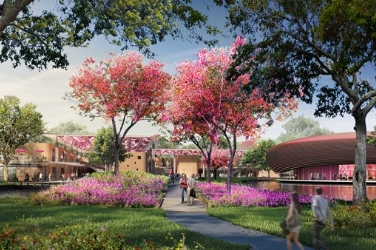
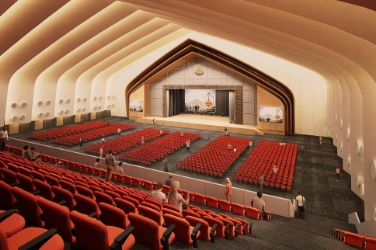

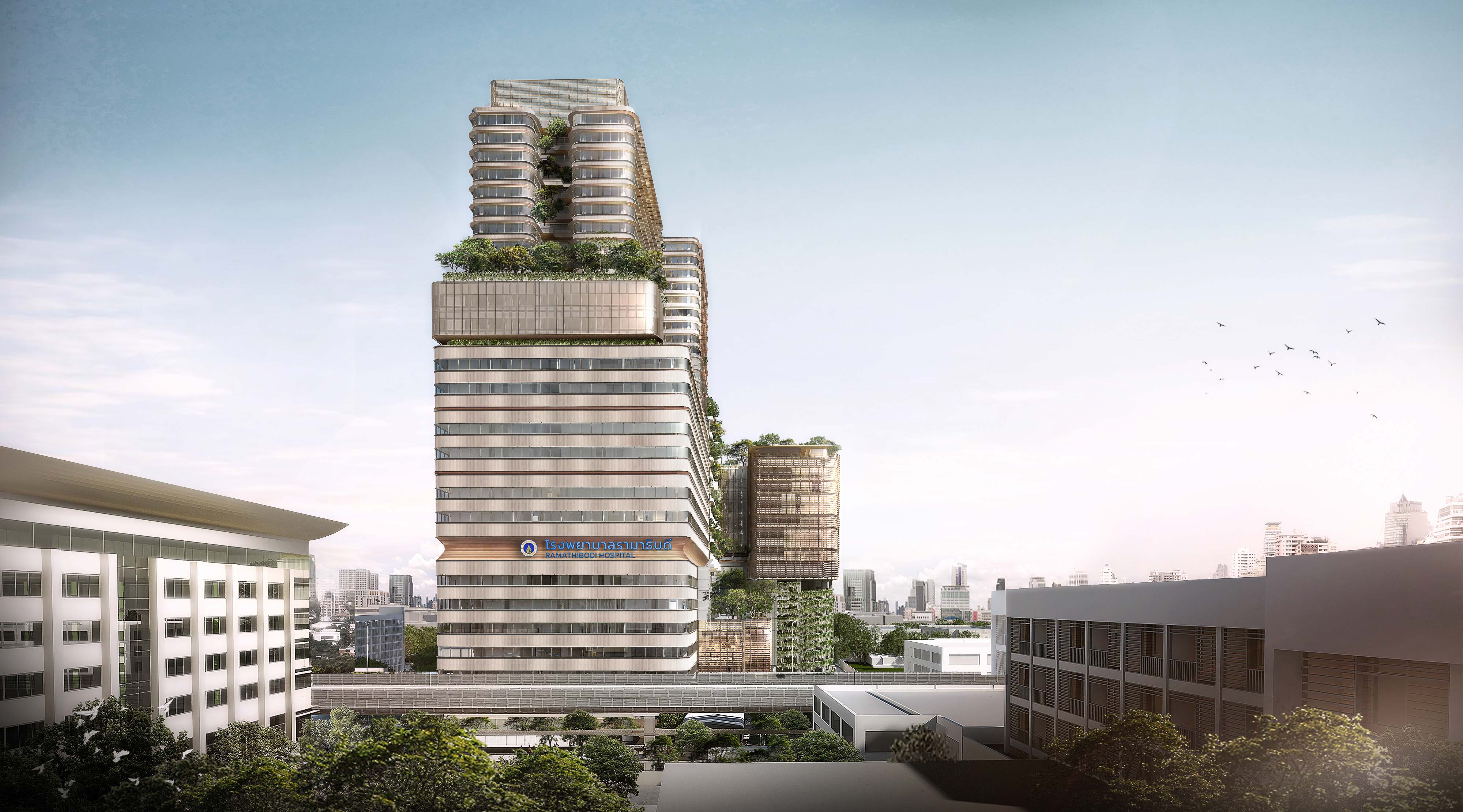
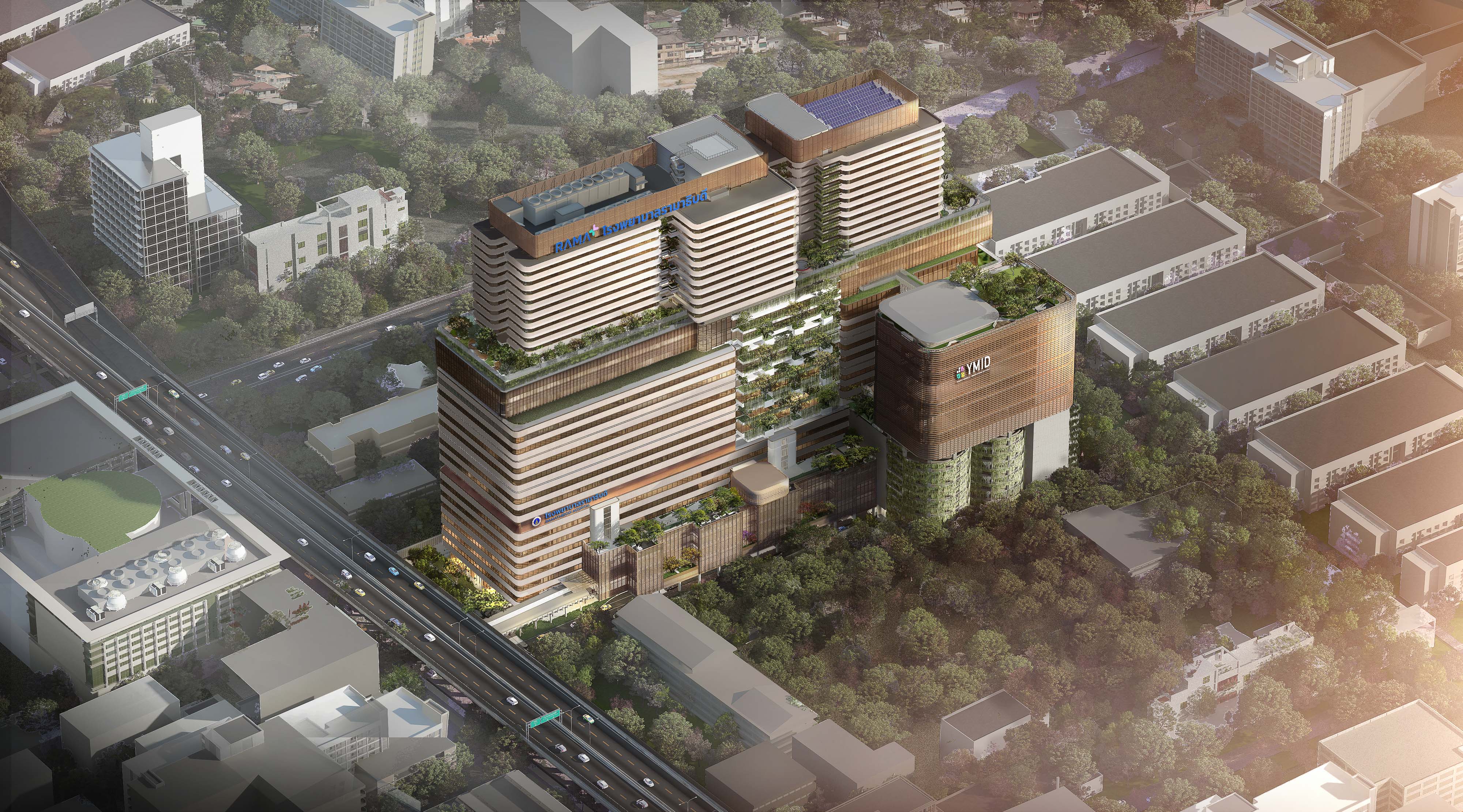
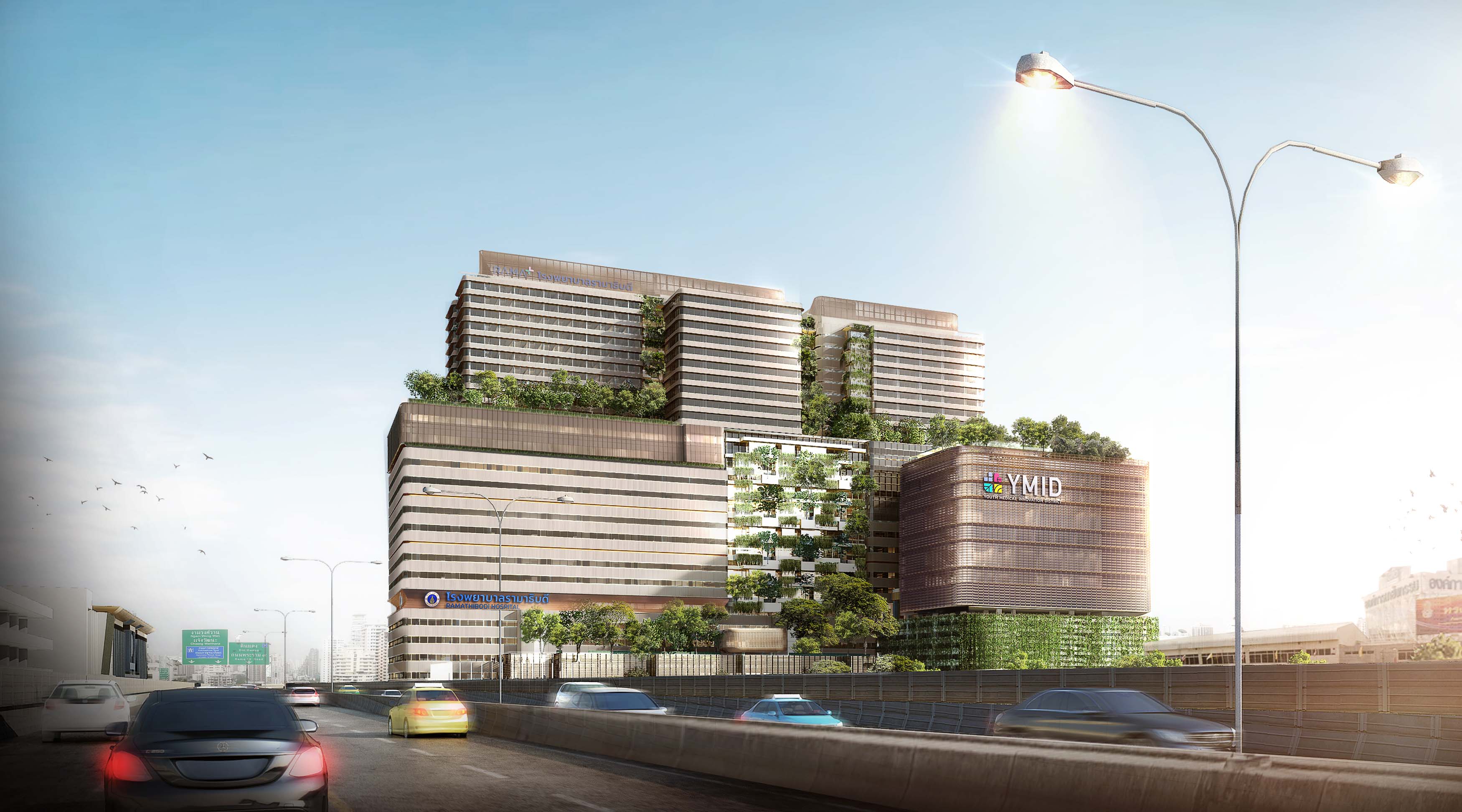
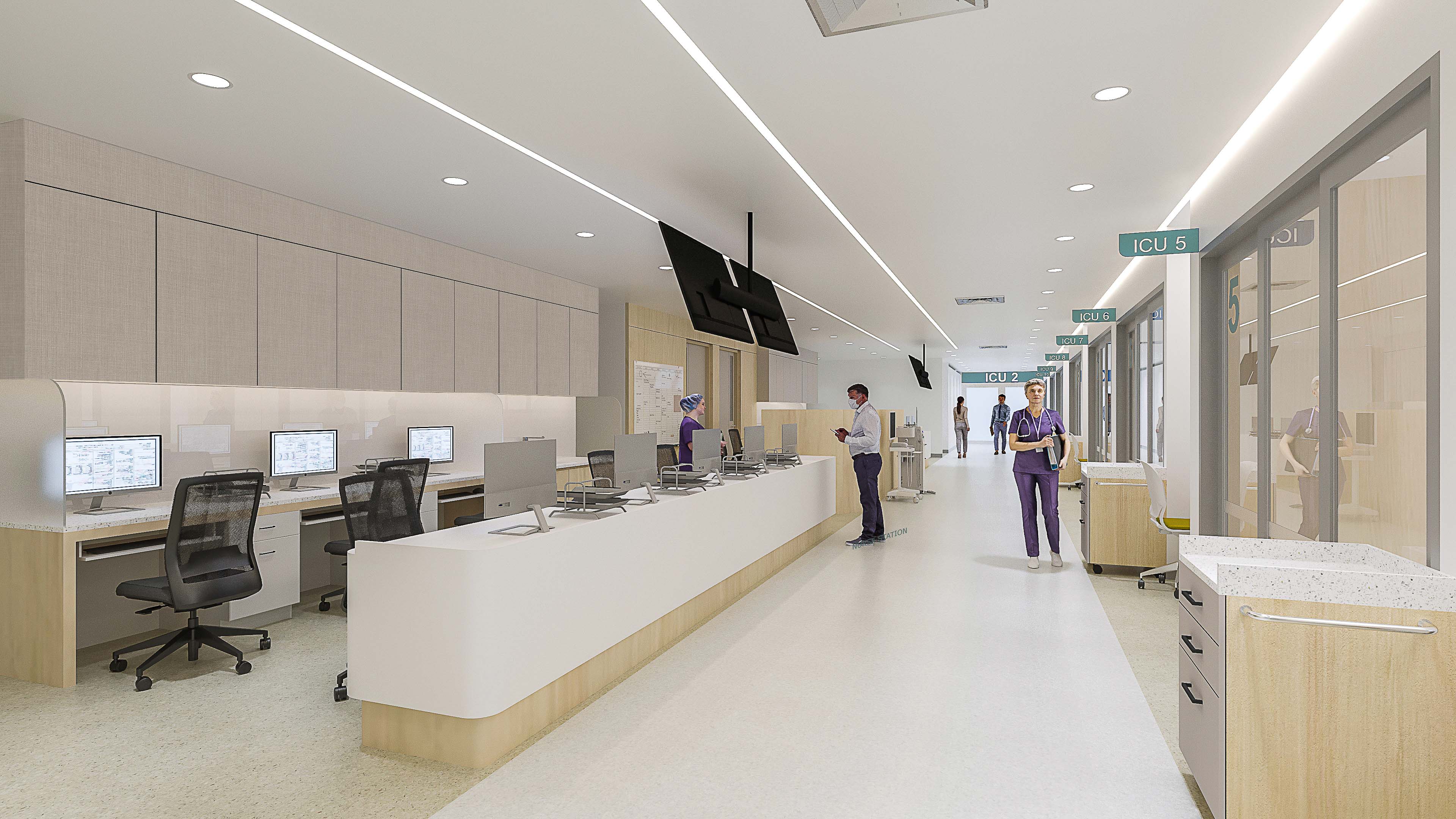
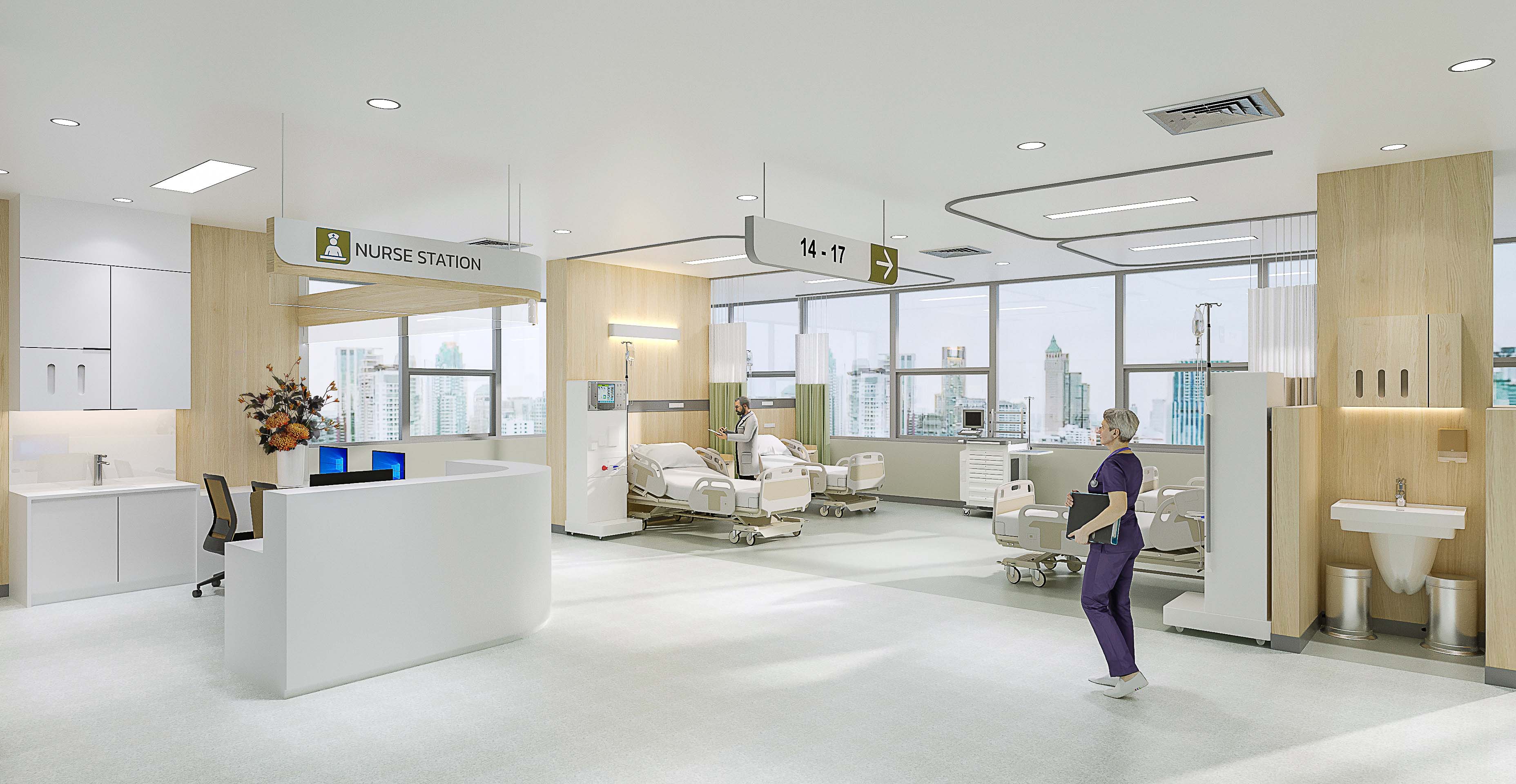
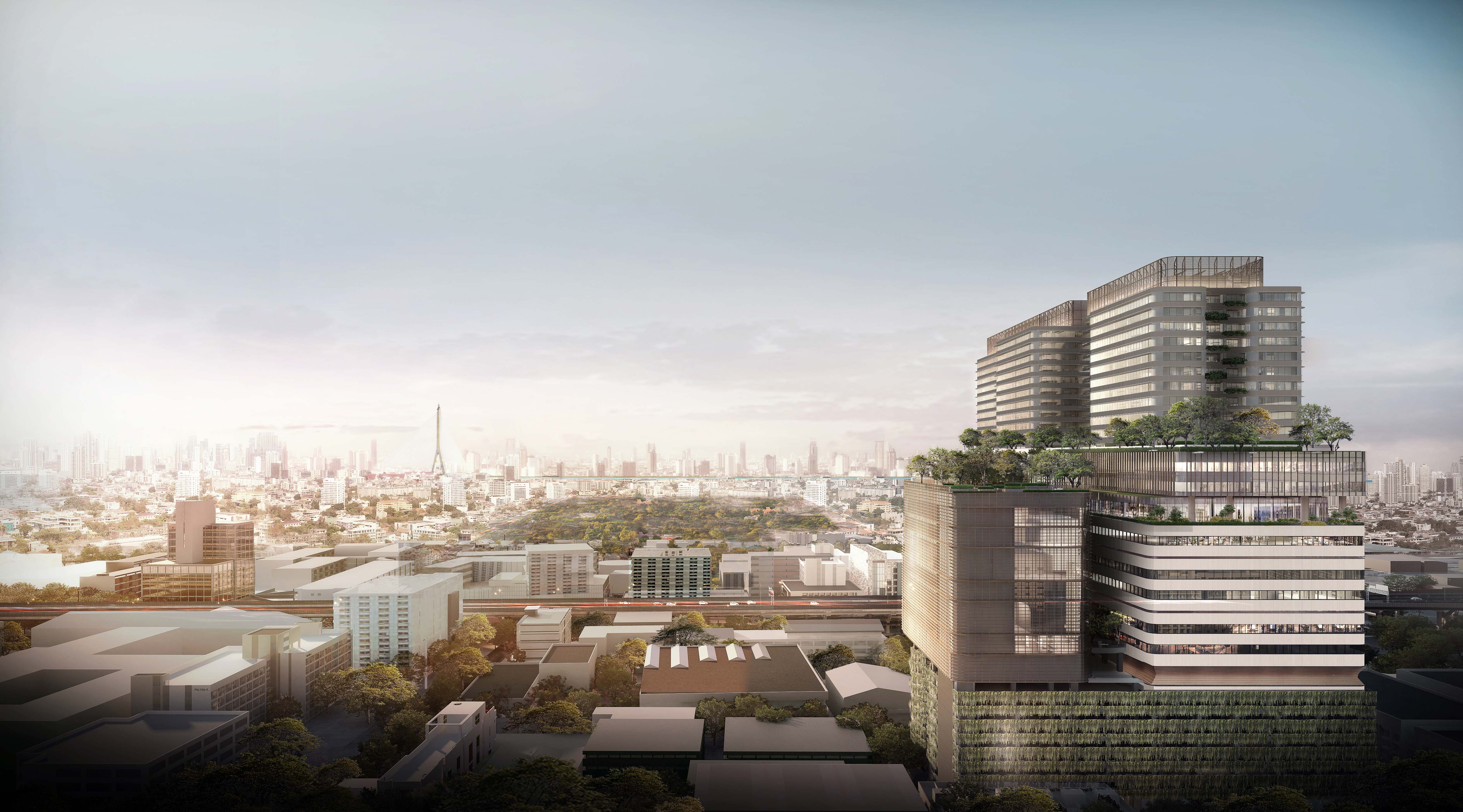
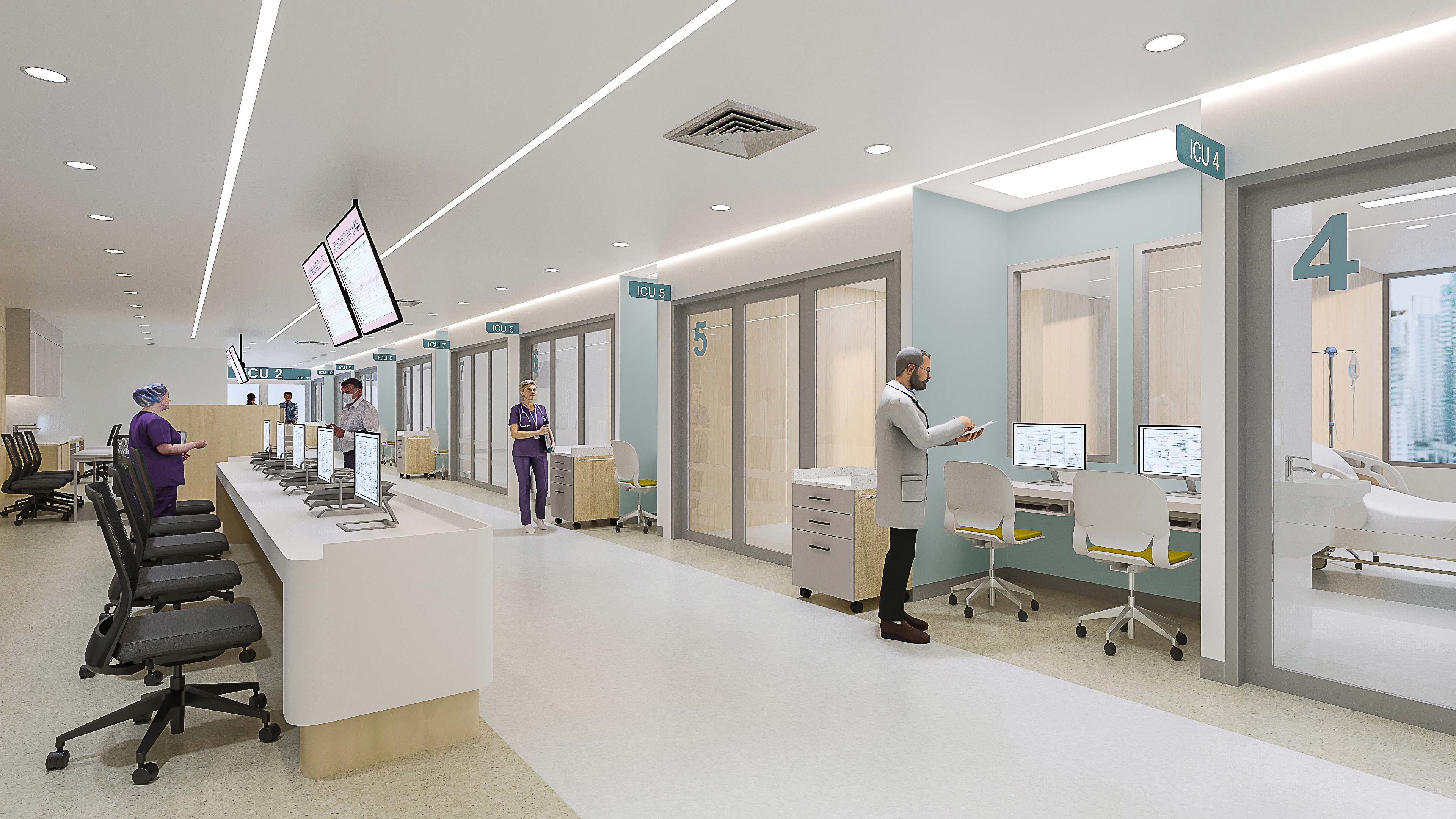
At the heart of this design is the aim to untangle a hospital's complex functional layers, making it genuinely accessible to the public while remaining efficient to operate. This vision is expressed most clearly through intuitive internal pathways (wayfinding), a foundational element in creating an environment that supports the healing of patients, their families, and staff alike. Every space, from interior rooms to outdoor landscapes, is shaped to communicate clearly through clearly defining boundaries, indicating directions, and guiding visitors to their destinations in a calm and effortless way.
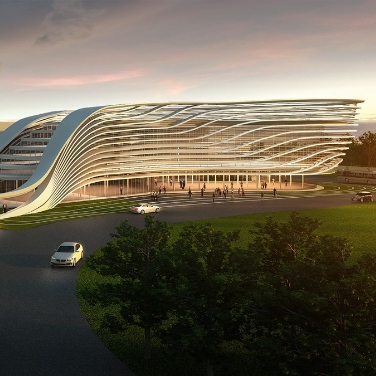
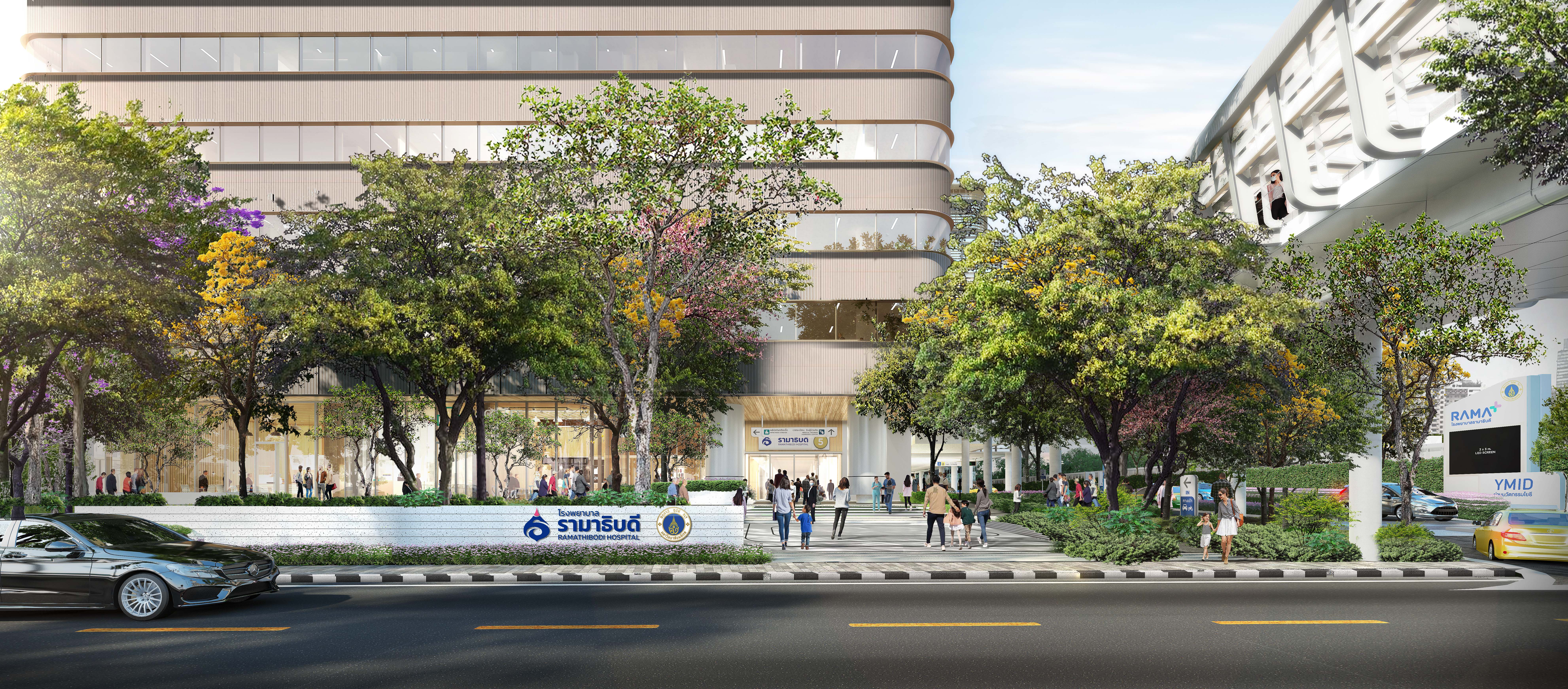
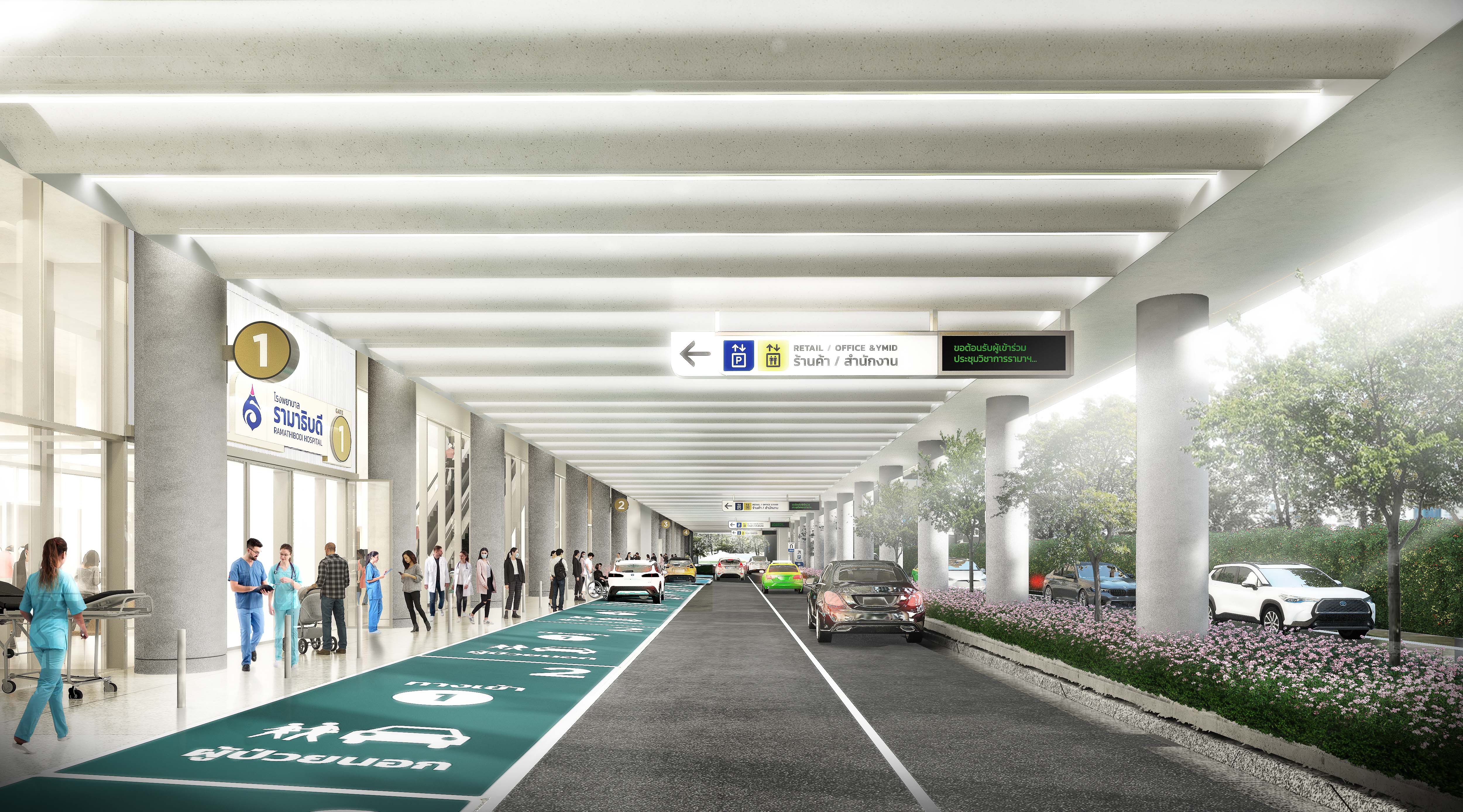
An elongated entrance hall, connected to the
drop-off area, accommodates the steady flow of visitors, service users, and
emergency patients, distributing movement to prevent congestion. Reception and
information points are immediately within reach upon arrival. Stepping inside,
visitors are welcomed by a spacious central hall with open sightlines, allowing
everyone to quickly orient themselves and find where they need to go.
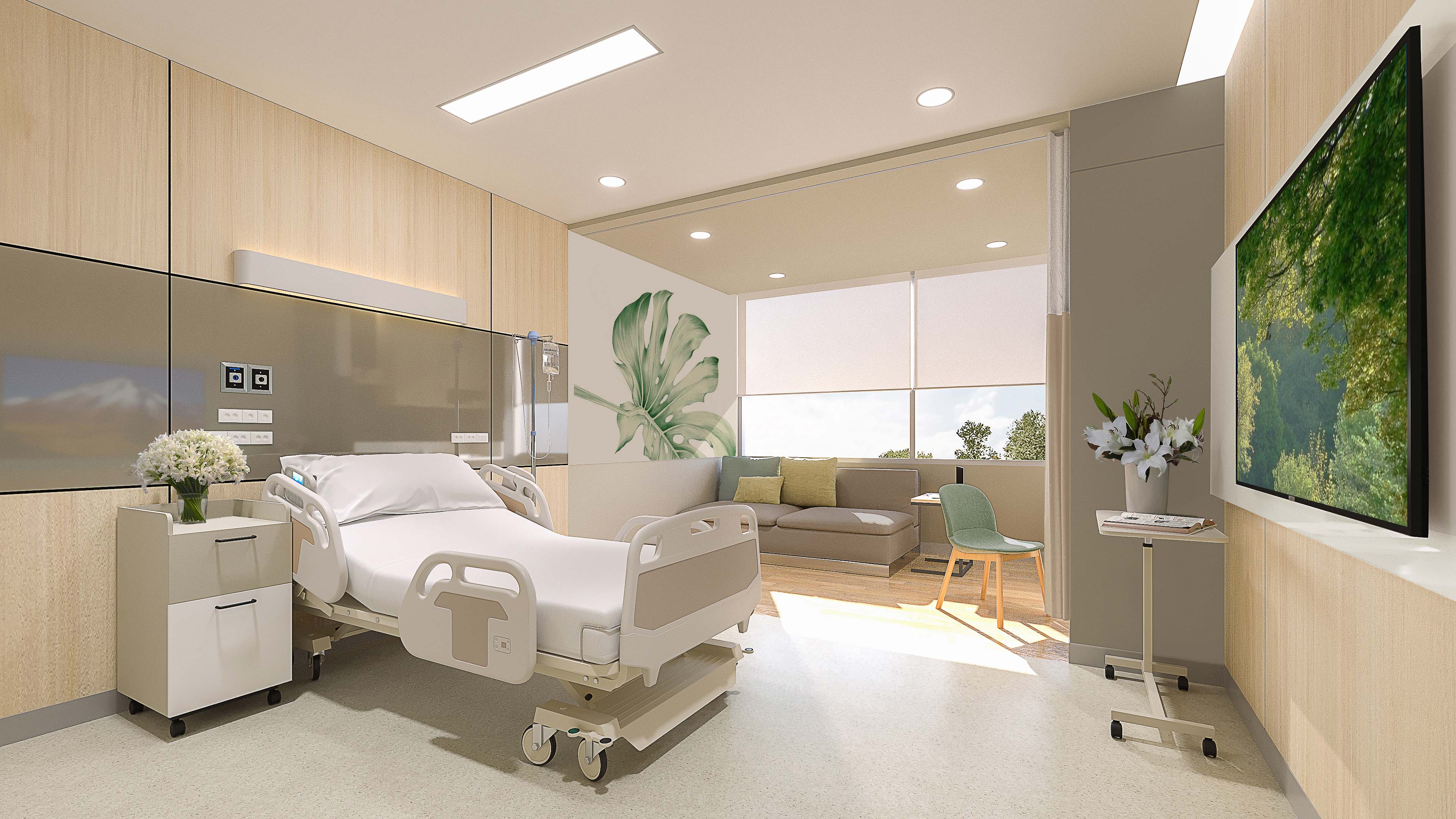
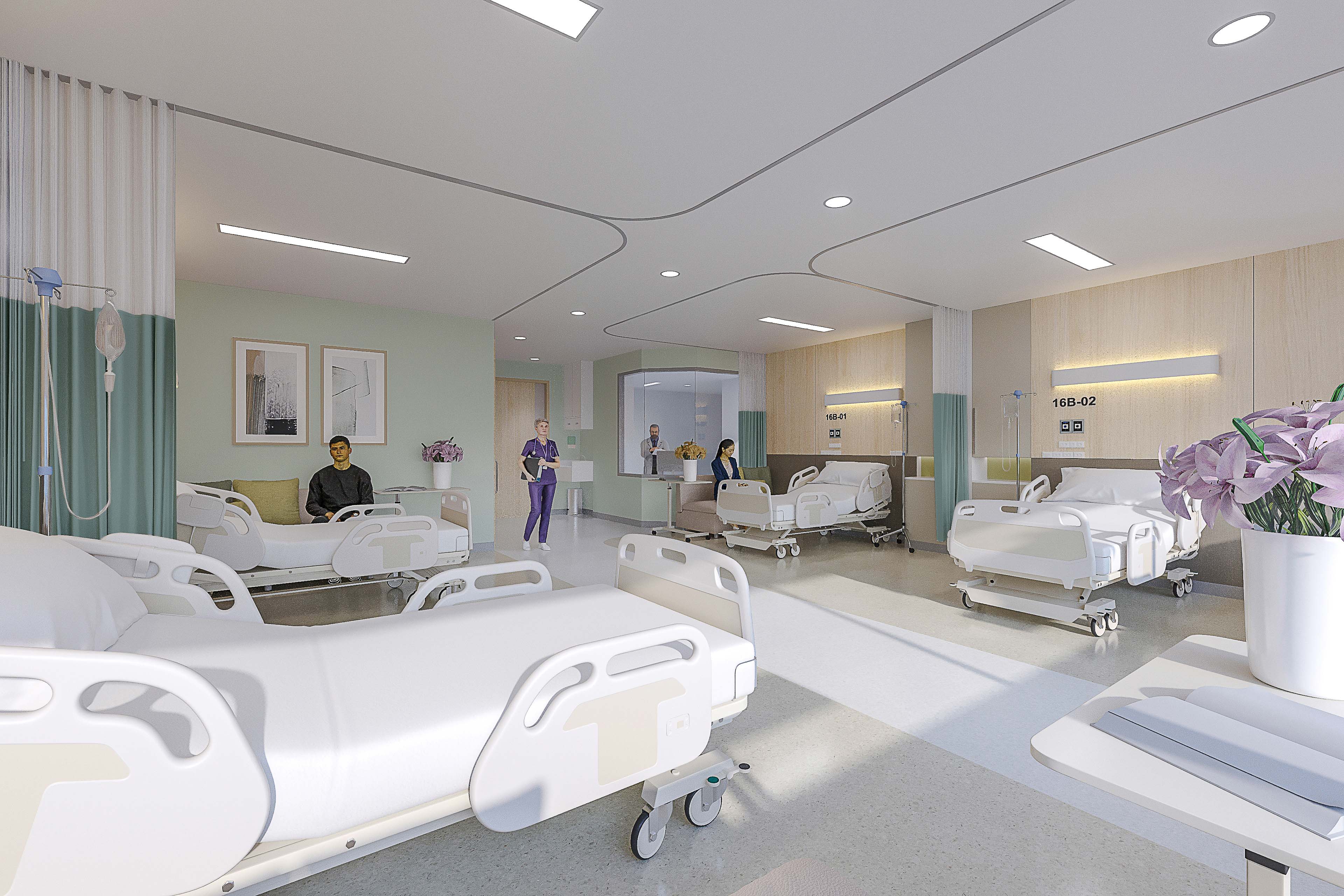
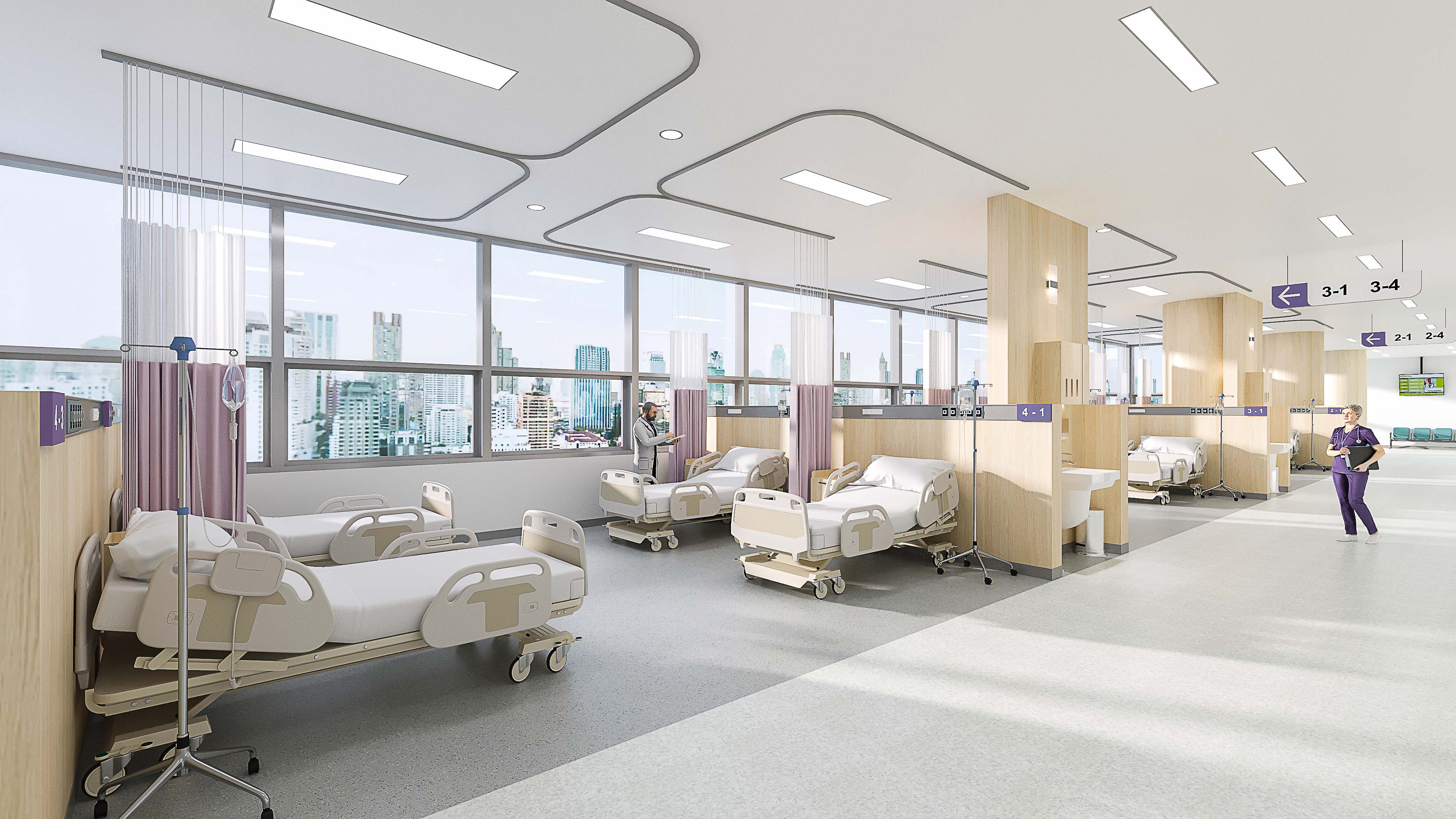
Both interior and exterior environments are
designed from a deep understanding of people's physical and emotional states,
cultivating a space that eases the body and mind (Healing Environment).
Throughout the building, people remain connected to nature through green garden
areas, abundant natural light, and thoughtfully positioned openings that invite
sunlight and natural breezes at different times of day. Considered design
details echo the rhythms of everyday life, creating a sense of warmth and familiarity
that offers comfort during difficult moments. Dedicated spaces for quiet
reflection give individuals private refuge during times of emotional need.
Hospitals are inherently complex, housing treatment
areas, educational facilities, and staff zones that must remain adaptable over
time. Integrated technology plays a central role here by streamlining processes,
improving efficiency, and ultimately contributing to a better experience for
everyone within the building. From early design stages, digital tools are used
to model possibilities and test principles, establishing a spatial framework
that can accommodate future
technologies and innovations, ensuring they work in harmony with the building's physical form and
serve its full potential.


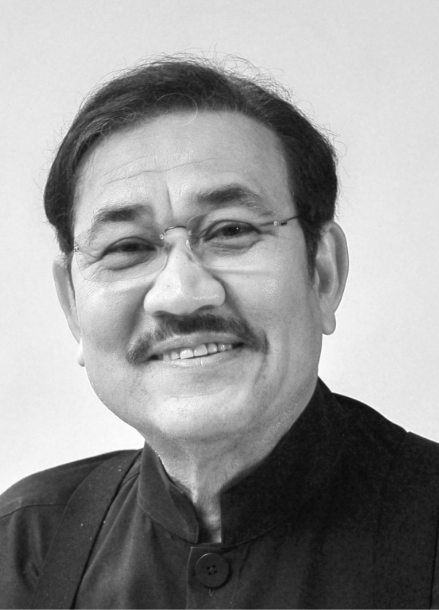
In 1980, Prabhakorn received his Bachelor of Architecture degree from Chulalongkorn University. He continued his education at the Catholic University of America in Washington DC, where he graduated with a Master of Architecture degree in 1984. Whilst in Washington DC, Prabhakorn worked at Robert Schwinn & Associates in Maryland before returning to Thailand and joining A49 in 1985. At A49, he has been responsible for a wide range of projects ranging from mega complexes and high-rise buildings to houses. Most of these are located in Thailand, whilst others are located in other countries in the region, including: China, Malaysia, Singapore and Vietnam. His work has also extended outside that region, for example, to the United Arab Emirates and India. All add breadth to the A49 portfolio of work. His main role has been to establish major policies, design concepts and strategic planning initiatives. He was appointed as President of Architects49 Phuket in 2005 and President of Architects49 International in 2006.
Prabhakorn actively served the Association of Siamese Architects (ASA) as its Head of Public Relations from 1992 to 1994, as its Vice President of Foreign Affairs from 1995 to 1997, and as the President of ASA during 2002-2004. He has also participated in many subcommittees for both the ASA and the Architect Council of Thailand (ACT). He is an active Council Member of the ACT, with his present duties for them extending into 2018. He has been an Honorary member of the Japan Institute of Architects (JIA) since 2003.
Prabhakorn has been a key member of A49 since its foundation, and has the honour of being trusted by Nithi Sthapitanonda (the Founder of A49) to be President and Managing Director of 49Group.
In 1980, Prabhakorn received his Bachelor of Architecture degree from Chulalongkorn University. He continued his education at the Catholic University of America in Washington DC, where he graduated with a Master of Architecture degree in 1984. Whilst in Washington DC, Prabhakorn worked at Robert Schwinn & Associates in Maryland before returning to Thailand and joining A49 in 1985. At A49, he has been responsible for a wide range of projects ranging from mega complexes and high-rise buildings to houses. Most of these are located in Thailand, whilst others are located in other countries in the region, including: China, Malaysia, Singapore and Vietnam. His work has also extended outside that region, for example, to the United Arab Emirates and India. All add breadth to the A49 portfolio of work. His main role has been to establish major policies, design concepts and strategic planning initiatives. He was appointed as President of Architects49 Phuket in 2005 and President of Architects49 International in 2006.
Prabhakorn actively served the Association of Siamese Architects (ASA) as its Head of Public Relations from 1992 to 1994, as its Vice President of Foreign Affairs from 1995 to 1997, and as the President of ASA during 2002-2004. He has also participated in many subcommittees for both the ASA and the Architect Council of Thailand (ACT). He is an active Council Member of the ACT, with his present duties for them extending into 2018. He has been an Honorary member of the Japan Institute of Architects (JIA) since 2003.
Prabhakorn has been a key member of A49 since its foundation, and has the honour of being trusted by Nithi Sthapitanonda (the Founder of A49) to be President and Managing Director of 49Group.
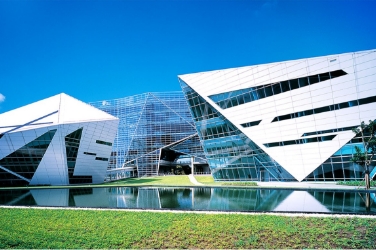
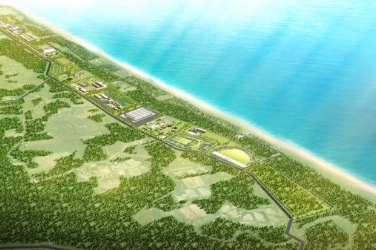
In collaboration with Landscape Architects 49, we have extensive experience in master planning and urban design. We have worked for both government and private sectors from large urban development to planning of new university campus.